


How to Protect Crops from Extreme Summer Heat
Extreme summer heat is one of the biggest challenges faced by farmers today. Rising temperatures, intense sunlight, and water scarcity can negatively impact crop growth, reduce yield, and lower overall farm productivity. Understanding how to manage heat stress is essential for maintaining healthy crops during the summer season.
What is Heat Stress in Crops
Heat stress occurs when temperatures rise above the optimal level required for plant growth. This disrupts normal plant functions such as photosynthesis and nutrient absorption. As a result, crops may show symptoms like leaf scorching, flower drop, fruit damage, and reduced growth.
Effects of Extreme Heat on Crops
High temperatures can cause rapid moisture loss from the soil, leading to water stress in plants. Nutrient uptake becomes inefficient, and prolonged exposure to strong sunlight can cause sunburn on fruits and leaves. In severe cases, crop development slows down, directly affecting yield and quality.
Effective Ways to Protect Crops from Summer Heat
Proper Irrigation Management
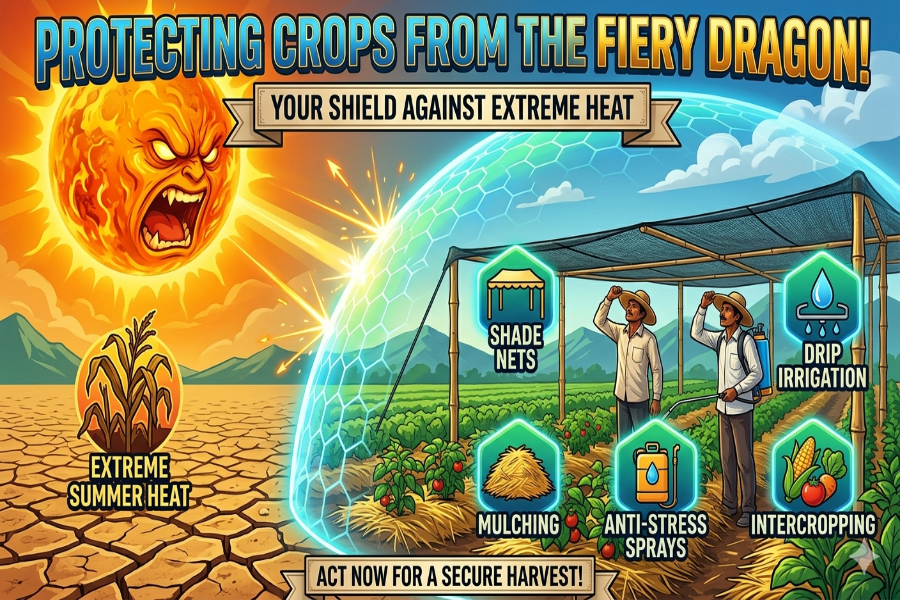
Efficient water management is critical during summer. Farmers should use methods like drip irrigation to maintain consistent soil moisture. Irrigation should be done during early morning or late evening to minimize water loss due to evaporation.
Mulching
Mulching is an effective way to conserve soil moisture and regulate temperature. Applying organic materials such as straw, dry leaves, or crop residue around plants helps keep the soil cool and reduces weed growth.
Shade Management
Providing shade is essential for protecting crops from direct sunlight. Shade nets can reduce heat intensity, while intercropping with taller plants can offer natural protection to sensitive crops.
Use of Anti-Stress Solutions
Applying anti-stress sprays helps crops tolerate extreme heat conditions. Products containing potassium, amino acids, or seaweed extracts support plant metabolism and reduce the impact of heat stress. These should be applied during cooler parts of the day for better effectiveness.
Improving Soil Health
Healthy soil retains moisture better and supports plant growth under stress conditions. Adding organic matter such as compost improves soil structure and enhances water-holding capacity. Bio-fertilizers can also improve soil fertility and microbial activity.
Foliar Nutrient Application
Foliar sprays of essential nutrients help maintain plant health during high temperatures. These sprays support physiological functions and reduce stress effects on crops.
Timely Crop Planning
Adjusting sowing dates can help crops avoid peak heat periods. Selecting heat-resistant crop varieties is another effective way to minimize damage during extreme summer conditions.
Special Considerations for Farmers
Crops like banana, grapes, pomegranate, and vegetables are highly sensitive to heat. Protective measures such as bunch covering in banana and proper irrigation scheduling in orchards can significantly reduce heat damage. Regular field monitoring is important to identify early signs of stress and take timely action.

